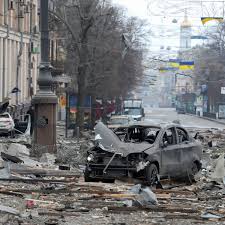
Geopolitical tensions are rising as China and Russia move closer together, while the United States expands its support for Ukraine in the ongoing war.
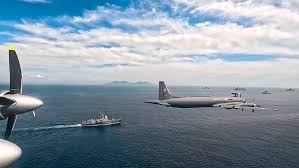
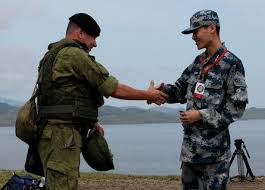
This week, Beijing announced a new round of joint military drills with Moscow in the Sea of Japan, involving naval vessels, long-range bombers, and advanced missile systems. Chinese officials framed the exercises as “defensive,” but U.S. and European analysts warn they are meant to send a signal of unity against Western influence.
At the same time, Washington confirmed a $12 billion aid package for Ukraine, including long-range precision missiles, advanced drones, and additional armored vehicles. Pentagon officials stated that the assistance is intended to help Kyiv resist Russia’s attempts to break through defensive lines before winter.
A senior U.S. defense official told reporters:
“Russia’s aggression is not just a European problem — it’s a global challenge. And we will continue to stand with Ukraine for as long as it takes.”
Meanwhile, Ukrainian forces are intensifying counterattacks in the Donetsk region, using new U.S.-supplied weapons to strike Russian logistics hubs. Reports suggest that some of these strikes have disrupted Russian supply chains, slowing their attempts at a large-scale offensive.
Analysts caution that the growing military cooperation between China and Russia could complicate the conflict further, forcing the U.S. to balance its commitments in both Europe and the Indo-Pacific.
For now, the global security landscape is becoming increasingly polarized — with the U.S. and its allies backing Ukraine, while China and Russia align more closely in opposition.
Suggested Excerpt
China and Russia are strengthening military ties while the U.S. boosts Ukraine with a massive new aid package — pushing global tensions into dangerous new territory.