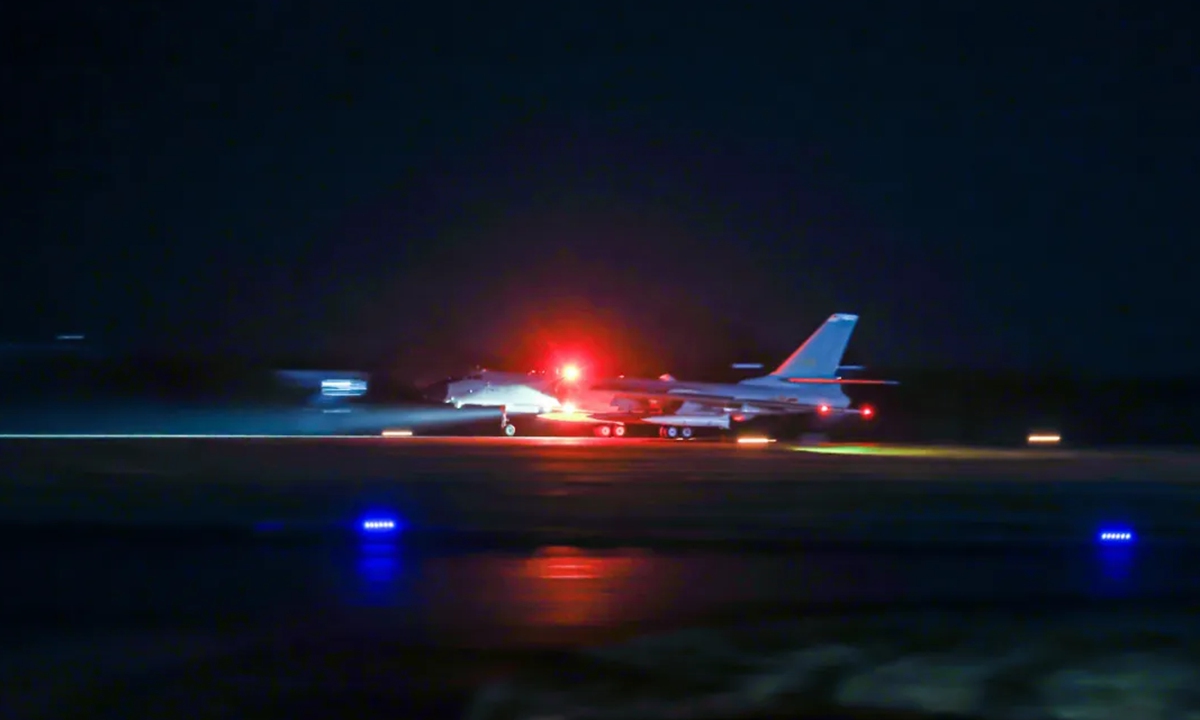
In a tense escalation over the Pacific, Chinese air defense units reportedly opened fire on U.S. bombers during a midnight patrol mission near the contested South China Sea. The incident, which took place under the cover of darkness, marks one of the most dangerous confrontations between the two superpowers in recent years.
According to U.S. military sources, two B-52 strategic bombers were conducting a “routine freedom-of-navigation flight” in international airspace when Chinese surface-to-air missile systems locked onto them. Multiple warning shots were fired, though no American aircraft were hit.
The Pentagon has condemned the action, calling it a “reckless and provocative attack” that violated international law.
Chinese state media, however, claimed the bombers entered what Beijing considers restricted defense airspace near the Spratly Islands. A spokesperson for China’s Ministry of Defense stated:
“Any intrusion into our sovereign airspace will be met with firm military action. The U.S. must stop its dangerous provocations.”
Military analysts warn that the incident could trigger a major diplomatic crisis, as Washington views freedom-of-navigation flights as essential to countering Beijing’s territorial claims.
Why This Matters
- It marks the first reported live fire incident against U.S. bombers in the South China Sea.
- Raises fears of a direct military clash between China and the United States.
- Could lead to increased U.S. deployments in the region as a show of force.
Global Reactions
- Allied nations in the Indo-Pacific, including Japan and Australia, have expressed concern.
- NATO officials called for restraint, emphasizing the need for diplomatic dialogue.
- Markets showed immediate volatility, with oil and defense stocks surging overnight.
Key Takeaway
The midnight attack signals that tensions in the South China Sea have reached a boiling point. With both nations unwilling to back down, the region stands on the edge of a potential flashpoint conflict that could reshape global security dynamics.